




Incense for Couples: How Shared Fragrance Creates Intimacy
Intimacy is not an event. It is an environment.
Conversations about how to deepen a relationship tend to focus on the obvious: communicate better, spend more quality time together, build shared rituals. These matter. But they tend to skip the physical conditions in which the relationship is actually lived — the sensory backdrop against which all of that communication and time-spending happens.
Scent is part of that backdrop. Not in a vague way, but in a measurable, neurological one. The olfactory system connects more directly to the limbic system — the brain's memory and emotion centre — than any other sense. What a shared space smells like shapes how people feel in it, how open or closed they are, how present or distracted. It encodes memory. Over months and years, a consistently used fragrance becomes tied to the specific texture of shared life in a way that almost nothing else does.
For couples, this is worth paying attention to. The homes people share develop a scent identity whether or not that identity is chosen — the cooking, the cleaning products, the candle that was on sale. Choosing those conditions deliberately is one of the simplest and most overlooked things two people can do for the quality of their time together. This guide is for that: incense for couples India, chosen well, used consistently, with a little understanding of why it works.
The approach here is broad on purpose. Intimacy means shared evenings and slow Sunday mornings. It means hosting people in your home and feeling like you have something to offer the room. It means the small recurring rituals — tea, dinner, sitting without screens — that make a home feel like yours together rather than two separate lives overlapping. Fragrance runs through all of it.
Why Scent Creates Shared Memory
Most people have experienced the phenomenon without understanding the mechanism: a smell surfaces a memory with a completeness and a force that photographs or music rarely match. The reason is anatomical. Olfactory signals travel directly to the amygdala and hippocampus — the structures most responsible for emotional memory — without the relay through the thalamus that other senses go through. The result is that scent-encoded memories are faster, more emotionally vivid, and more durable than memories encoded through other senses.
For couples, this has a practical implication. When two people consistently share a specific fragrance in a specific context — Friday evenings at home, the hour after dinner, Sunday mornings — that fragrance begins to accumulate meaning. It is not merely a pleasant smell. It is, over time, every pleasant evening in that room. Every good conversation. Every moment of genuine presence with each other.
This is why couples who discover a fragrance together — who choose it rather than defaulting to whatever is available — often describe it years later with an affection that seems out of proportion to the object. The stick of incense is not the point. The compressed memory it carries is.
The fragrance families best suited to this kind of memory-building tend to be warm, complex, and long-lasting rather than fresh or sharp. Romantic incense India has a particular advantage here: Indian fragrance traditions — sandalwood, rose, jasmine, vetiver, oudh — are built around base-heavy, slow-burning compositions that linger and settle rather than dissipate quickly. They are designed for rooms and atmospheres, not for quick impressions.
Specific compounds are also worth understanding. Linalool, found in rose and lavender, is associated with measurably reduced cortisol levels and a shift toward parasympathetic nervous system activity — the physiological state of calm openness. Santalol, the primary active compound in sandalwood, has documented effects on the autonomic nervous system: it promotes a grounded, settled state that is the opposite of the sympathetically activated, screen-stimulated, slightly-stressed state that most people arrive home in. Benzyl acetate and methyl jasmonate, found in jasmine, are linked to elevated mood and reduced physiological anxiety.
None of this requires belief in aromatherapy as a broad category. The specific compounds are real, the physiological effects are documented, and the mechanism — olfactory signals influencing limbic system activity — is well-established. What it means practically: the right fragrance creates conditions for the kind of presence and openness that good connection requires. It is not a shortcut. It is part of the environment.
Choosing a Bedroom or Evening Scent Together
The worst fragrance strategy for a shared home is one person's preference imposed on shared space. The best is a deliberate conversation — twenty minutes with a few scent families, finding where preferences overlap.
That overlap is usually larger than expected, particularly within Indian fragrance traditions. Western perfumery is heavily gendered: citrus and wood tend to be coded masculine, floral tends to be coded feminine. Indian fragrance culture is considerably less binary. Sandalwood is worn by everyone. Rose is not a feminine note — it is a spiritual and ceremonial one, with centuries of use across gender categories. Jasmine is ubiquitous. Oudh is shared. The result is that couples exploring Indian fragrance families often find far more common ground than they expected.
A practical approach: sample across four families and find the one or two that both partners respond to positively.
Woody and resinous: sandalwood, vetiver, oudh. Grounding, slow, long-lasting. These work well for evening unwinding and sleep environments.
Floral: rose, jasmine, mogra. Warm rather than sweet, particularly in Indian compositions. These work well for evening rituals and the hour before dinner.
Oriental: rose-oud blends, amber bases, soft musks. Rich, warm, enclosing. These are the incense for bedroom India category in the most obvious sense — they create a quality of warmth and enclosure that is distinct from the alerting effects of fresher, greener scents.
Green and fresh: less common in Indian traditions, more appropriate for daytime or working-from-home contexts. Less suited to intimacy in the narrow sense, but useful for building a broader fragrance vocabulary for a shared home.
Once a primary shared scent is identified, the conversation becomes about when to use it. Fragrance works best when it is associated with a specific time and context rather than burned continuously. Choose one or two regular occasions — Friday evenings, the hour after dinner, before bed on weekends — and use the same fragrance consistently for those occasions. The specificity is what builds the association. Without it, scent becomes background noise rather than a meaningful cue.
For incense for bedroom India specifically: burn one stick about 20 minutes before the context begins, allow it to complete, and let the fragrance settle. A 30-centimetre stick burns for approximately 45 minutes. The room does not need to be filled with smoke — a single stick in a well-chosen holder is sufficient. The scent will linger for 2 to 3 hours afterward.
Incense as Part of Hosting Rituals
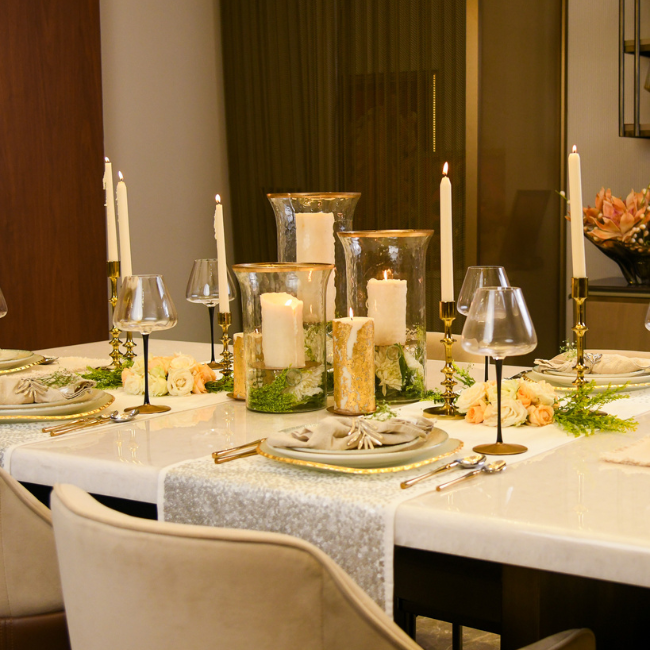
There is a dimension of intimacy that belongs not just to the couple alone but to the home they make together for other people. How a home smells when guests arrive is part of the welcome. It signals care, intention, and the kind of hospitality that is about comfort rather than performance.
Indian homes have a long tradition of fragrance in hospitality — agarbatti lit for guests, attar offered, the ambient scent of a clean and intentionally fragrant home as part of what it means to receive people well. This tradition is worth reviving in a contemporary context, not as nostalgia but as a genuinely good practice.
For couples who host together, developing a shared hosting scent — different from the evening-alone scent, specifically chosen for the context of guests — adds a layer of intention to the home's fragrance vocabulary. Lighter, more welcoming, accessible rather than intimate. Mogra (Indian jasmine), a classic Indian hospitality fragrance, works well here. So does a light sandalwood or a clean rose without heavy base notes.
The practical approach: light a stick 30 minutes before guests arrive, in the main living space. Allow it to burn out. The fragrance will be present but not overwhelming — a quality of the room rather than a statement. This is the distinction between incense used well and incense used too much. It should be noticed, not announced.
Hosting together as a couple also creates its own intimacy. There is something specific about the shared project of making a home welcoming — the coordination, the division of tasks, the shared experience of the meal or evening going well — that is different from the couple-alone intimacy of evening rituals. Fragrance that is part of both contexts begins to carry both kinds of meaning. The same room smells like Friday evenings and like the dinner party that went late. Those memories compound.
Gifting Incense to a Partner
Incense is an underused gift category in India, which is worth noting given how natural a fit it is. It is thoughtful without being heavy. It is used and experienced rather than stored. It is specific enough to communicate genuine consideration for the recipient's preferences. And unlike flowers or food, it lasts for weeks and fills shared space with something that can be experienced together repeatedly.
The best incense gift for a couple or a partner has a few characteristics. It is chosen for the recipient rather than the giver — their fragrance preferences, not yours, or the overlap between yours. It is presented with some intention: a note about when and how to use it, a specific occasion it is intended for, or a combination of two or three complementary scents that can be used across different contexts.
For couples giving to each other, the most meaningful version of this is a fragrance chosen together — or chosen by one partner with specific knowledge of what the other responds to. This is a different act from buying something generic. It says: I know what you love, and I found the thing that matches it. That specificity is the point.
For incense gift for couples India, two formats work well. The first is a curated set of three or four scents across different moods — something for evenings, something for mornings or weekends, something richer for occasions. The second is a single signature scent that becomes associated with a specific context or ritual. Both have merit; the set is better for exploration, the single scent is better for building a lasting association.
Presentation matters more with incense than with most things. A simple holder, a note about the fragrance's composition and best uses, and a suggestion for how to introduce it into shared ritual — these small additions convert a pleasant object into a genuinely considered gift.
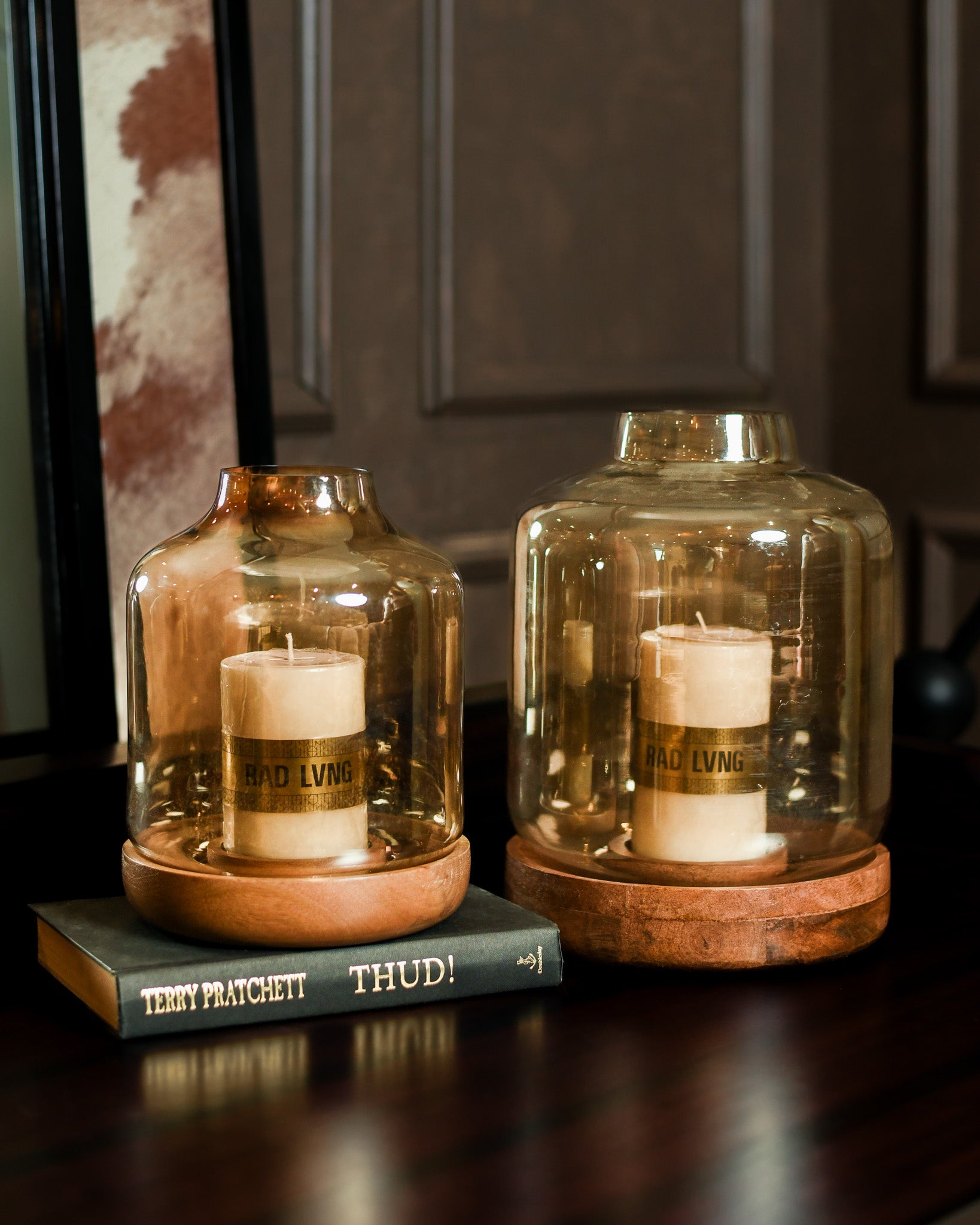
The Mood Sticks range from RAD LVNG covers the full spectrum of what works for couples and gifting — from light florals to rich oriental compositions, all sourced and produced with the kind of care that makes the fragrance itself worth knowing about.
The Sustainability of a Shared Scent Practice
The appeal of building a fragrance practice together is real. The challenge is making it last beyond the initial enthusiasm — turning a pleasant idea into an actual habit.
The key is keeping it low-friction. A shared scent practice that requires elaborate setup or specific conditions will not survive contact with real life. One that is simple — a stick in a holder, a specific time, a consistent location — will.
A few structural suggestions for the long term. First, keep the incense visible and accessible. A holder in the main evening space, the bedroom, or the dining area — wherever the relevant rituals happen — makes the practice automatic rather than effortful. Out of sight means out of mind.
Second, anchor the practice to an existing ritual rather than trying to create a new one from scratch. If you already have a Friday evening routine — cooking together, a specific meal, sitting with a drink before dinner — add the fragrance to that. Attach it to something that already has momentum.
Third, allow for evolution. A shared scent practice does not have to mean one fragrance forever. Building a vocabulary of two or three scents across different contexts is more interesting and more sustainable than a rigid single-scent rule. The core insight — that specific scents become associated with specific times and qualities of life — holds regardless of whether the vocabulary is one scent or five.
Fourth, replenish before running out. The gap between running out of a preferred fragrance and buying more is where habits collapse. Keeping a small stock of what works — two or three packs of the core scent — removes this friction entirely.
The sustainability question is also about what kind of incense you are using. Low-quality incense — heavy charcoal bases, synthetic fragrance compounds, visible smoke that irritates the throat — is harder to maintain as a daily or weekly habit. Incense made with natural fragrance materials, low smoke, and clean combustion is the kind that becomes genuinely enjoyable rather than merely tolerated. This is where incense for daily rituals becomes a real practice rather than an occasional novelty.
RAD LVNG Mood Sticks are formulated specifically for this: low smoke, natural fragrance materials, a burn quality that is clean enough to use regularly without the air quality issues that make cheaper incense unpleasant over time. They are made to be used, not displayed.
Frequently Asked Questions
Which incense is best for couples in India?
For couples, the most effective incense is in the warm oriental and floral families: rose, jasmine, sandalwood, and rose-oud blends. These are best suited to evening contexts and shared intimate space. Within Indian fragrance traditions specifically, rose-oud combinations and classic jasmine (mogra) blends have the broadest cross-preference appeal — they are not coded strongly masculine or feminine in Indian cultural memory, which makes them easier to agree on. The best approach is to sample two or three options together rather than one person choosing unilaterally.
Is incense safe to use in a bedroom or closed space?
Yes, with reasonable ventilation. A single incense stick in a room with normal airflow is not a health concern. The relevant precaution is to avoid low-quality incense with heavy charcoal bases and synthetic compounds, which produce more particulate matter. Natural fragrance incense with a thin bamboo core and clean combustion — the standard for quality Indian incense — burns considerably cleaner. Do not burn multiple sticks simultaneously in a small closed room, and allow the room to air briefly after burning if preferred. Using incense in the 30-45 minutes before sleep, then opening a window briefly, is a practical approach for bedroom use.
How do you build a fragrance ritual that actually sticks?
Attach it to something that already exists in your routine rather than trying to create a new habit from nothing. If Friday evenings have a consistent shape — cooking, eating together, sitting afterward — add the incense to that. The fragrance becomes associated with the existing ritual rather than competing with it for attention. Keep the incense and holder visible in the relevant space. Keep stock replenished. These two structural factors account for most of whether a fragrance habit survives the first few weeks.
What makes incense a good gift for a couple or partner?
Incense works as a gift because it is specific, experiential, and shared. Unlike most gifts, it fills a room and is experienced by two people together — often repeatedly over weeks. What makes the difference between a thoughtful incense gift and a generic one is specificity: choosing a fragrance family the recipient actually responds to, presenting it with some context about when and how to use it, and selecting a quality that is high enough to be genuinely good rather than just decorative. A curated set of three complementary scents across different moods is one of the most considered gift formats available at a reasonable price point.
The Longer View
There is a particular quality that some homes have and others do not. It is not about design or size or expense. It is a quality of having been inhabited with intention — of two people having made choices, small and consistent, about what their shared life looks and feels and smells like.
Fragrance is one of the clearest ways to build that quality. Not because scent is magical, but because of the straightforward mechanism: it encodes memory, it shapes mood, and when it is chosen and used consistently, it becomes tied to the specific texture of shared life in a way that accumulates over time. The home smells like your Fridays together. Like the dinner parties that went well. Like the slow mornings that did not feel rushed. That specificity is not accidental.
The romantic incense India tradition has always understood this — the agarbatti as part of the atmosphere of a home, not an accessory to it. What is available now, through brands that take that tradition seriously and make it accessible for contemporary homes, is a way to participate in that understanding deliberately rather than accidentally.
Start with one scent. Choose it together. Use it consistently for one specific context. Give it three months.
The room will tell you what it has become.


