




Scent Is the Fifth Element of a Room: How Designers Think About Home Fragrance
Scent in interior design is the element most people forget, and the one that decides whether a finished room feels intentional or merely arranged. Interiors are usually treated as a visual and tactile problem: colour, light, proportion, texture, the weight of a fabric. But a room is experienced by the whole body, and the nose reads a space before the eye has finished. The right scent is what makes a beautifully designed room feel resolved. Without it, the space looks complete and feels half-built.
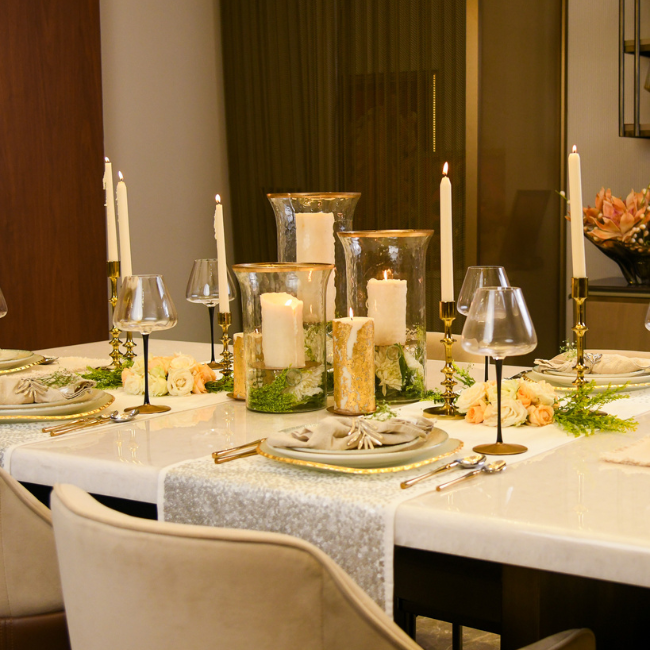
Designers and stylists understand this, which is why scent is almost always the last layer they add. Once the palette is set, the materials chosen, and the light balanced, fragrance is what ties those decisions together into a single impression. A coastal room with a pale palette wants something clean and aquatic. A warm, layered, maximalist room wants oud, amber, and resin. The scent is not decoration laid on top. It is the part of the design that confirms what the eye already suspects, so the room reads as a deliberate whole rather than a set of good choices sitting near each other.
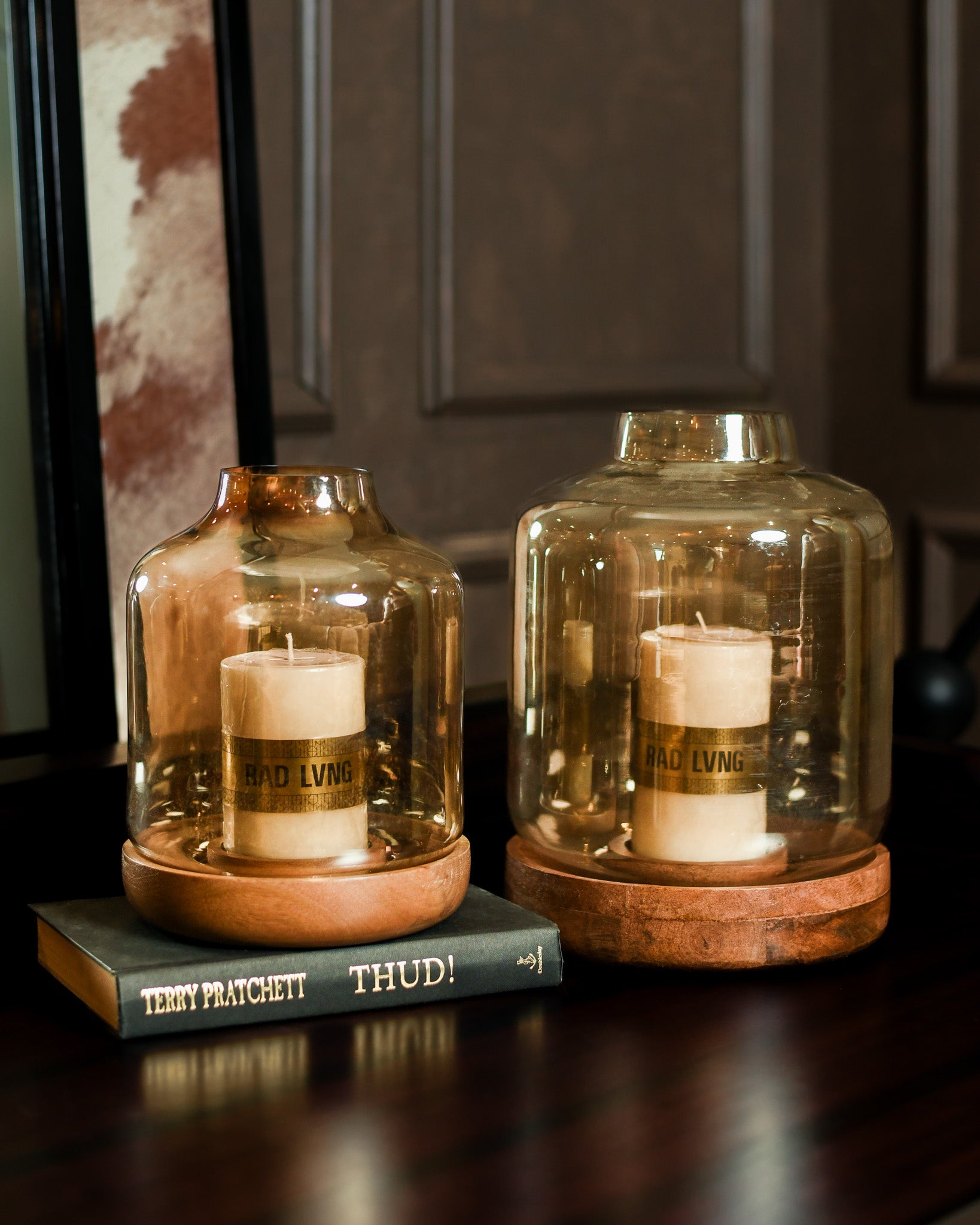
This is where RAD LVNG thinks differently from most home fragrance. Each of our collections is built as a scent world with a character and a mood, not a single note on a label, so it can be matched to a design intent the way you would match a textile or a paint. Across our home fragrance collection the formats are designed to be seen as much as smelled: a reed diffuser bottle in skincare-grade glass, a candle vessel worth keeping, a mood-stick stand built as a considered home object. If you want the full layering logic, our guide to how to layer home fragrance breaks down how the formats build on each other.
The rest of this guide is how designers actually use scent: as a finishing layer, across zones, matched to mood, and the mistakes that undo a beautiful room.
Why is scent the fifth element of a room?
Scent is the fifth element because it carries the emotional read of a space in a way the other four cannot. Sight gives you the look, touch gives you the materials, light gives you the mood, and proportion gives you the order. Scent gives you the feeling. It is the only element a person experiences involuntarily, the moment they walk in, before they have consciously registered anything else.
There is a reason scent lands first and stays longest. The olfactory system routes directly to the parts of the brain that handle memory and emotion, which is why a fragrance can make a room feel familiar, calm, expensive, or warm before you have explained why. A space can be photographed perfectly and still feel flat in person, and almost always the missing thing is this. The eye approves of the room. The body has not yet been told how to feel in it.
That is the designer's argument for treating scent as structural rather than optional. You would not leave a room unlit and call it finished. Leaving it unscented is the same omission, just one most people have never been taught to notice. Our piece on the scent of home and how Indian fragrance connects us to memory and place goes deeper into why a specific scent can make a house feel like yours.
How do designers use scent as the final layer?
Designers use scent the way they use the last cushion or the final swatch: as the layer that confirms the room, applied only once everything else is settled. You cannot pick the scent first, because the scent has to answer the room. The materials, the palette, and the light come first. Fragrance is chosen to agree with them.
The method is matching, not adding. A study lined with dark wood, leather, and brass wants warmth: sandalwood, smoke, something resinous that sits at the same depth as the materials. A bright living room with white walls, linen, and a lot of daylight wants the opposite: fresh florals, citrus, green notes that move at the same speed as the light. The scent should feel like it was always part of the plan, not sprayed in before guests arrive. When a fragrance argues with the room, you feel the disagreement even if you cannot name it.
This is also why designers think in collections rather than single scents. A coherent home is rarely one fragrance everywhere; it is a family of related moods, one per zone, that belong to the same world. Choosing from a single collection keeps the through-line intact. Our home fragrance collection is organised this way on purpose, so a study and a living room can carry different scents that still feel like the same hand designed them.
How does scent reinforce what the eye already sees?
Scent reinforces sight by closing the gap between how a room looks and how it feels. When the fragrance agrees with the visual palette, the two senses confirm each other and the room reads as one decision. When they disagree, the room feels subtly off, the way a beautiful outfit feels wrong with the incorrect shoes.
The matches are intuitive once you start looking for them. A coastal palette of blues, whites, and natural fibres pairs with a fresh aquatic scent, and the room suddenly feels like the seaside it was styled to suggest. A warm maximalist room of deep colour, velvet, and layered pattern pairs with oud, amber, and spice, and the richness you see is now also something you breathe. A green, plant-filled corner pairs with a herbaceous, earthy scent, and the leaves stop being decoration and start being an atmosphere. In each case the scent is not introducing a new idea. It is amplifying the one already on the walls.
This is the quiet skill behind a room that "smells expensive." It is rarely about strength. It is about agreement. A modest scent that matches the room beats a powerful one that fights it, every time. For the hospitality version of this thinking, our guide to how to make your home smell like a 5-star hotel shows how hotels engineer that match on purpose.
Is the fragrance object part of the decor?
Yes. To a designer, a fragrance product is an object on a shelf first and a scent second, which means it has to earn its place visually before it ever earns it by smell. A diffuser, a candle, or an incense holder occupies prime real estate: a console, a bedside table, a styled shelf. If it looks like packaging, it cheapens the surface it sits on. If it looks considered, it becomes part of the composition.
This is a real design constraint, not a nice-to-have, and it is exactly where most home fragrance fails the room. A clinical dropper bottle, a plastic plug-in, a stick of incense in a chipped saucer: each adds scent and subtracts taste. The fix is to choose fragrance that was designed as decor from the start. RAD LVNG reed diffusers come in skincare-grade glass bottles meant to be displayed, with five reeds per pack and a formula built to release slowly and steadily across 30 to 45 days. Our candle vessels are made to be kept and reused as objects long after the soy wax has burned down. Our mood sticks sit in a designed metal stand built to read as a home object rather than a temple accessory.
So the styling question is the same as for any object: does this look like it belongs on the shelf with everything else you chose with care? If it does, it does two jobs at once. You can see the diffuser range in our reed diffuser collection, and the candle menu shows how the vessels are built to be lived with.
How do you design scent zones across a home?
You design scent zones the way you design lighting zones: each area gets its own mood, and the transitions between them are part of the experience. A home should not smell like one fragrance from door to bedroom. It should move through a considered sequence, so walking through the house feels like turning pages rather than staring at one.
A simple, designer-led zoning logic works for most Indian homes:
- Entryway, the statement. This is the first impression and the strongest one. Use the boldest, most characterful scent here, because it sets the expectation for everything behind it. A reed diffuser on a console works hardest at an airflow point like this.
- Living and dining, warmth. The social heart of the home wants a scent that reads warm and welcoming without dominating conversation. This is where a collection candle does double duty as the table hero and the mood anchor.
- Study or workspace, focus. Grounding, woody, low-distraction. Something that holds the room steady rather than competing for attention.
- Bedroom, calm. The quietest, softest scent in the house. Florals, soft musks, anything that signals the day is closing. Nothing sharp, nothing loud.
- Bathroom, fresh and contained. A small, enclosed space where a clean, contained scent goes a long way. Fragrance tablets, sized 90 to 100 grams, are made for enclosed spaces exactly like this.
The art is in the transitions. Zones should be related, not random, so the move from entryway to living room feels like one home rather than three. Placement is half of zoning, and our guide to where to place a reed diffuser covers the airflow and height rules that make each zone actually carry.
Which RAD LVNG collections match which design moods?
Because each RAD LVNG collection is built as a scent world with a character, matching one to a design mood is closer to choosing a textile than picking a scent. You are choosing a personality for the room. Three of our collections map cleanly onto three of the most common interior moods.
| Design mood | The room | Matching collection |
|---|---|---|
| Dark and moody | Deep walls, low light, leather, brass, drama | Room No. 11: oud, incense, and warm woods for a layered, dimly lit space |
| Green and natural | Plants, raw textures, earthy tones, daylight | The Botanist's Secret: herbaceous and green, made for natural, plant-led rooms |
| Warm and nostalgic | Soft lighting, lived-in textures, heirlooms, comfort | Way Back Home: saffron, jasmine, and amberwood for warmth that feels like memory |
The point is not that these are the only correct pairings. It is that you can reason about scent the way you reason about everything else in the room, by mood and material, instead of guessing from a label. A dark, candlelit study has a scent that belongs to it, and you can see the full world in the Room No. 11 collection. For warm, theatrical, comfort-driven spaces, our Candle Cafe range carries the same familiar-and-cosy logic in wax.
What are the most common design mistakes with scent?
The most common mistakes with scent in interior design are all versions of one error: treating fragrance as an afterthought instead of a design decision. When scent is the last thing chosen without thought, it undoes the care spent on everything else. Three mistakes account for most ruined rooms.
- Too strong. The single most common error. An overpowering scent reads as trying too hard, the olfactory equivalent of a room with the volume turned up. With concentrated products this is a real risk; our reed diffusers run roughly twice the standard market concentration, which is why some customers remove a reed or two to dial the intensity back. More scent is not better design. Calibrated scent is.
- Mismatched to the room. A heavy oud in a bright, airy coastal room. A sharp citrus in a dark, moody study. The scent and the visual fight, and the room never settles. Match the fragrance to the palette and the materials, not to whatever bottle was nearest.
- Treated as an afterthought. Clinical bottles on a styled shelf, a plug-in in a designed corner, a fragrance chosen for the smell with no thought for how the object looks. The room loses on taste what it gains on scent.
Avoiding all three comes down to the same discipline designers apply everywhere: choose deliberately, match to the room, and respect the surface the object sits on.
A designer's scent checklist for a finished room
Before you call a room done, run it through the same final pass a stylist would. This is the scent layer treated as seriously as the lighting layer.
- Set the scent last. Choose the fragrance after the palette, materials, and light are settled, never before.
- Match the mood. Warm woods for a dark, layered room. Fresh florals or green notes for a bright, natural one.
- Match the materials. The scent should agree with what the room is made of: leather and brass want depth, linen and daylight want freshness.
- Zone the home. Bold at the entryway, warm in the living room, calm in the bedroom, contained in the bathroom. Related, not identical.
- Calibrate the strength. Aim for noticeable, not overpowering. If it announces itself before you sit down, dial it back.
- Choose objects that earn the shelf. The diffuser, candle, or stand should look like something you chose with care, because it shares a surface with everything you did.
- Pick from one scent world. Keep the home's fragrances related so the whole space reads as one hand.
- Walk the threshold. Step in from outside. The first three seconds tell you whether the room is finished or merely arranged.
A starting kit that covers two zones in one buy is our candle with reed diffuser set: the candle anchors the living room, the diffuser holds the entryway, and both belong to the same collection.
Frequently asked questions
How do designers use scent in interior design?
Designers use scent as the final layer of a room, chosen after the palette, materials, and lighting are settled. They match the fragrance to the room's mood: warm woods for a dark, layered space, fresh florals for a bright one. The scent confirms what the eye already sees, so the room reads as one intentional decision rather than a set of separate choices.
Why does a beautifully designed room feel unfinished without scent?
Because a room is experienced by the whole body, not only the eye. Scent routes directly to the brain's memory and emotion centres, so it shapes how a space feels the moment you enter. A room can be visually perfect and still feel flat in person. Adding the right fragrance is what makes the space feel resolved and intentional.
How do you choose a home fragrance to match your decor?
Match the scent to the room's palette and materials. A coastal, pale-toned room pairs with a fresh aquatic scent. A warm, maximalist room pairs with oud and amber. A green, plant-filled space pairs with herbaceous notes. The fragrance should agree with what you already see, amplifying the mood rather than introducing a competing one.
Should you use the same scent throughout the whole house?
No. A well-designed home uses scent zones: a bold statement at the entryway, warmth in the living room, calm in the bedroom, a contained fresh note in the bathroom. The scents should be related so the home feels like one place, but not identical, so moving through it feels like a considered sequence rather than a single repeated note.
Can a fragrance product work as decor?
Yes, when it is designed to. A reed diffuser in skincare-grade glass, a candle vessel worth keeping, or a mood-stick stand built as a home object all earn a place on a styled shelf. RAD LVNG products are made as objects first, so they add scent without subtracting from the room's look. You can browse the full range in our home fragrance collection.